
That loud bang in the pipes when a tap or valve shuts is not just an annoyance — it is a warning. Water hammer in high-rise buildings is a pressure shockwave that can crack flanges, split pipes, tear brackets off walls and shorten the life of every valve in the system. Tall buildings are especially exposed because their long vertical risers, high static pressure and fast-acting fixtures combine to amplify the effect. This article explains what water hammer is, why high-rise piping suffers most, and the practical valve and design choices that keep it under control.
What Water Hammer Actually Is
Water hammer (hydraulic shock) is what happens when fast-moving water is suddenly forced to stop or change direction. Because water is essentially incompressible, that abrupt halt converts the flow’s momentum into a high-pressure wave that races back through the pipe at the speed of sound in water — roughly 1,200–1,480 m/s in steel pipe. The magnitude of that initial surge is described by the classic Joukowsky equation, ΔP = ρ · a · ΔV, where the pressure rise grows with fluid density, wave speed and — critically — the change in velocity. Stop the flow faster, and the spike is bigger.
The practical headline is sobering: a sudden valve closure can momentarily generate pressures many times the normal operating pressure, which is more than enough to damage components rated only for steady-state duty.
Why High-Rise Buildings Suffer Most
Several features of tall buildings stack the odds in favour of severe water hammer in high-rise buildings.
- Long vertical risers. The longer the pipe run, the more moving water mass there is to stop, and the longer the pressure wave takes to travel and reflect.
- High static pressure. Booster pumps and tall water columns mean the baseline pressure is already high, so any surge on top of it pushes closer to the pipe’s limit.
- Pump trips and power loss. When a booster pump stops suddenly, flow can reverse and slam a check valve, creating a sharp surge.
- Fast fixtures. Solenoid valves on appliances and quarter-turn fixtures shut almost instantly, which is precisely the condition that maximises the surge.
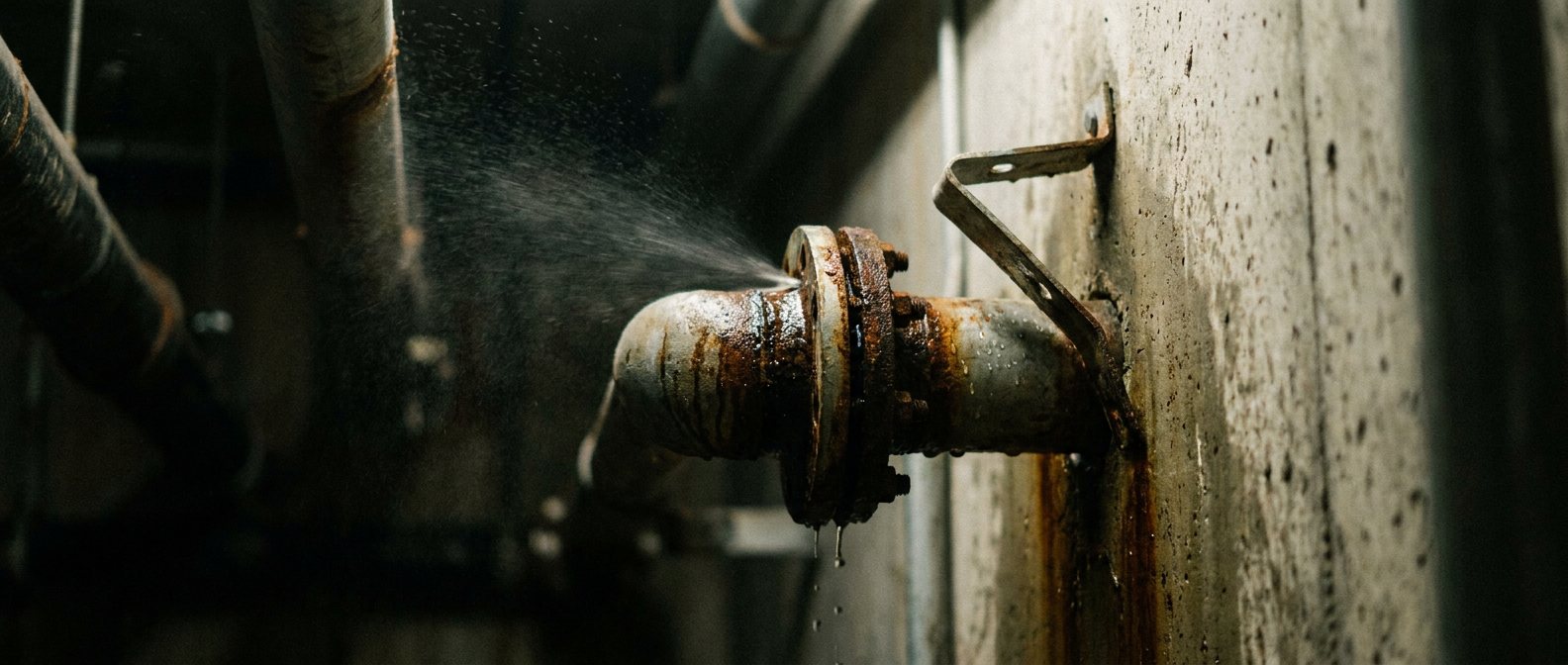
The Destructive Force: What Water Hammer Damages
Water hammer rarely destroys a system in one blow; more often it does its damage through repeated shocks that fatigue components over months and years. The table below links common surge events to the damage they cause.
| Surge trigger | Typical consequence |
|---|---|
| Fast valve / fixture closure | Pressure spike upstream, banging, joint fatigue |
| Booster pump trip | Flow reversal, check-valve slam, sharp surge |
| Repeated daily cycling | Cracked flanges, loosened fittings, leaks |
| Severe single event | Burst pipe, dislodged supports, ruptured gasket |
| Low-pressure rebound | Cavitation, then a secondary collapse surge |
Beyond the obvious burst, the subtler cost is to valves themselves: seats batter, stems loosen and seals fail prematurely under repeated shock. Controlling water hammer is therefore as much about protecting your valve investment as protecting the pipe.
How to Control Water Hammer in High-Rise Buildings
The governing principle is simple: avoid sudden changes in flow velocity. Everything below is a way of applying that rule.
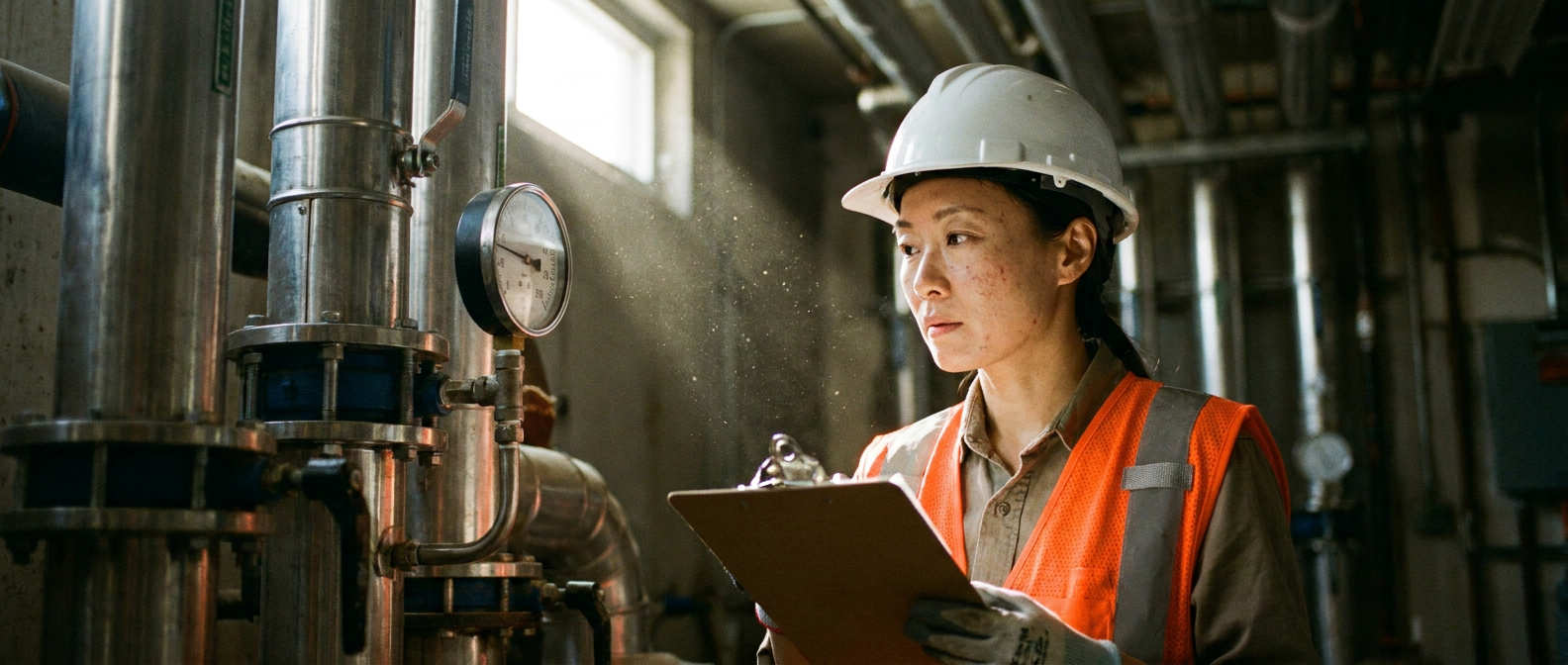
Close valves slowly
The single most effective control is closing time. If a valve closes more slowly than the wave’s round-trip “critical time” (2L/a, where L is pipe length and a is wave speed), the surge is dramatically reduced because the pressure wave can travel and reflect before the valve fully shuts. Favour slow-closing or actuator-damped valves on main risers, and operate large isolation valves gently — a gear operator for large valves naturally slows closure, while a controllable electric actuator can be tuned to ramp open and closed.
Use non-slam check valves
On pump discharge lines, replace swing checks that slam on flow reversal with spring-assisted “silent” check valves that close smoothly before the flow reverses. A silent (non-slam) check valve is one of the cheapest and most effective defences against pump-trip surge.
Add surge protection and secure the pipework
Fit water-hammer arrestors near fast-acting fixtures and pumps to absorb the shock, and ensure risers are properly anchored so surge thrust cannot whip or dislodge the pipe. The table below summarises the main controls and where each fits.
| Measure | What it does | Best placed |
|---|---|---|
| Slow-closing / actuated valves | Reduce ΔV rate of change | Main risers, zone isolation |
| Non-slam check valves | Prevent reverse-flow slam | Pump discharge |
| Water-hammer arrestors | Absorb the shock wave | Near fixtures & pumps |
| Pressure-reducing valves (zoning) | Limit static pressure per zone | Floor / pressure zones |
| Secure pipe supports / anchors | Resist surge thrust | Along risers |
| Controlled pump start/stop | Avoid sudden flow changes | Booster pump sets |
Valve Selection for High-Rise Risers
Component choice locks in much of your surge resilience before the building is even commissioned. Specify valves and fittings whose pressure rating comfortably exceeds the worst-case surge — not just the steady-state pressure — and prefer robust stainless bodies on high-pressure risers.
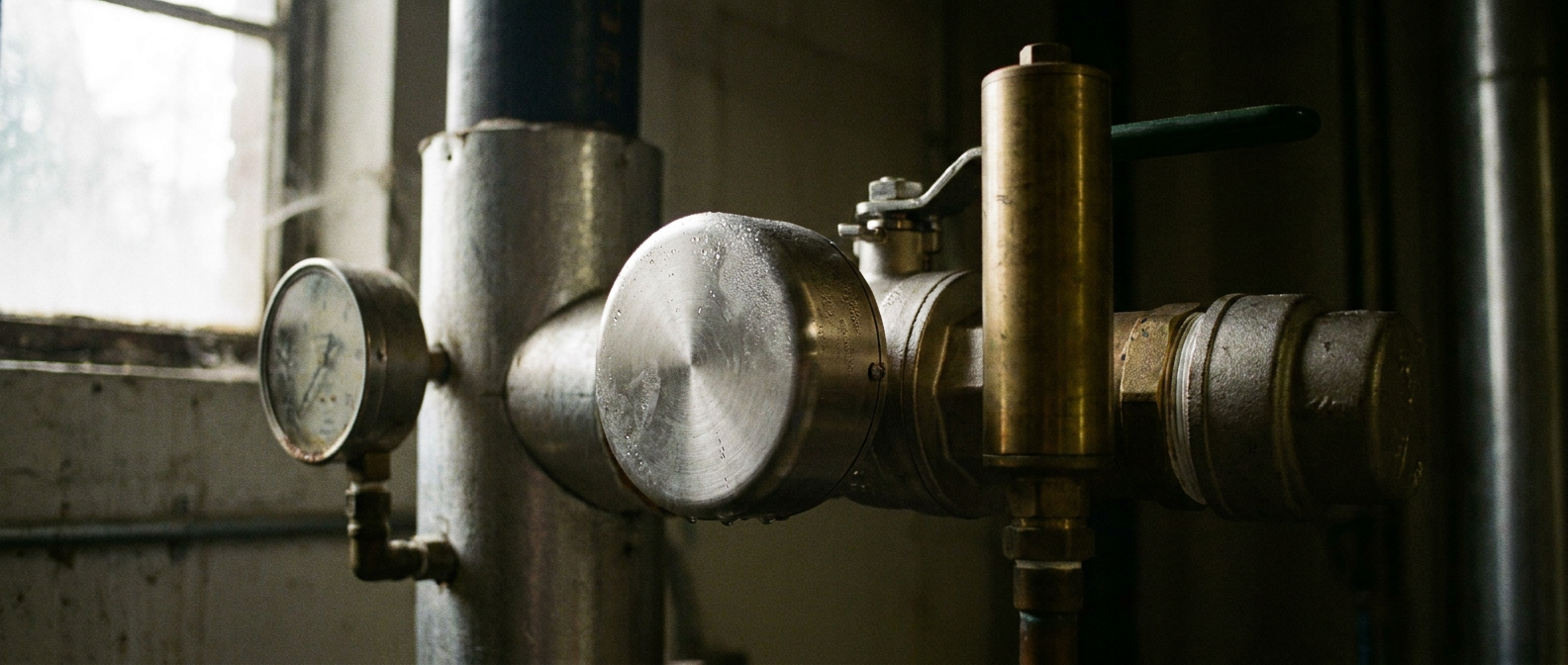
For large-bore isolation on risers, a flanged ball valve operated with a gear operator gives controlled, slow closure; for automated zones, choose an actuator that can be tuned for gradual travel. Standardising on durable, correctly rated valves across the building keeps both surge risk and spare-part complexity down — see our building & interior spaces applications for the broader picture.
The Standards That Govern Surge Protection
Surge protection in buildings is backed by recognised standards. Water-hammer arresters are defined by PDI-WH 201 from the Plumbing & Drainage Institute, which sets sizing and performance requirements for arrestor units. Broader plumbing-system design guidance, including managing transient pressures in tall buildings, is published by the American Society of Plumbing Engineers (ASPE). Designing to these references turns surge control from guesswork into a verifiable specification.
Spotting Water Hammer Before It Causes Damage
Because the worst damage is cumulative, catching water hammer in high-rise buildings early is far cheaper than repairing a burst riser. The warning signs are usually audible and visible before they are catastrophic: a sharp bang or repetitive knocking when a fixture or valve closes, pipes that visibly jump or vibrate, fittings that work loose over time, and — the classic tell — recurring leaks that keep appearing at the same joint or bracket no matter how often they are repaired. A joint that fails repeatedly is rarely a bad joint; it is a joint sitting at a surge node.
For a more rigorous check, a pressure transmitter with data logging on the riser will capture transient spikes that a standard gauge averages out, revealing surges that briefly exceed the steady-state pressure. If the log shows repeated spikes tied to pump trips or fixture cycles, you have confirmed water hammer and can target the fix — slower closure, a non-slam check valve, or an arrestor — at the right point rather than guessing. Treating the symptom (tightening the leaking joint again) without addressing the surge simply moves the failure to the next weakest point.
Frequently Asked Questions
What exactly causes water hammer in high-rise buildings?
It is caused by a sudden change in water velocity — most often a fast valve or fixture closure, or a booster pump tripping and the flow reversing. The momentum of the moving water converts into a pressure wave. High-rise risers are worse hit because long vertical runs and high static pressure amplify the surge.
Can water hammer actually burst a pipe?
Yes. A surge can momentarily reach several times the normal operating pressure, which can crack flanges, rupture gaskets and burst pipes — especially where components are rated only for steady-state pressure. More commonly it fatigues joints and valve seats over time, causing leaks.
How does closing a valve more slowly help?
If the valve closes more slowly than the pressure wave’s round-trip time (2L/a), the wave can travel and reflect before the valve fully shuts, so the peak pressure is far lower. Slow-closing or actuator-damped valves are therefore one of the most effective controls for water hammer in high-rise buildings.
Do water-hammer arrestors replace good valve selection?
No — they complement it. Arrestors absorb shock near fixtures and pumps, but they work best alongside slow-closing valves, non-slam check valves and correctly rated, well-anchored pipework. Relying on arrestors alone leaves the root cause (sudden velocity change) unaddressed.
Which valves are best on high-rise risers?
Use robust, correctly rated stainless ball valves for isolation, operated slowly via a gear operator or tuned actuator, and spring-assisted non-slam check valves on pump discharge. Make sure the pressure rating exceeds the worst-case surge, not just the normal operating pressure.
Conclusion
Water hammer in high-rise buildings is a predictable, controllable risk — not bad luck. It comes from sudden velocity changes amplified by long risers and high pressure, and it is tamed by the opposite: slow-closing and actuated valves, non-slam check valves, properly placed arrestors, pressure zoning and well-anchored, correctly rated pipework. Address it at the design stage and you protect both the building’s plumbing and every valve in it. If you would like help selecting slow-closing isolation valves, check valves and correctly rated fittings for your risers, contact our team for a tailored quote.