
WOG の略語 水、石油、ガス. 「1000 WOG」や「2000 WOG」といった表記は、低温かつ衝撃のない条件下における、水、油、ガスに対するバルブの最大使用圧力を示しています。WOGの耐圧定格は、バルブを比較する際の有用な第一段階の指標となりますが、そのバルブがお客様のすべての使用条件に適していることを保証するものではありません。.
このガイドでは、WOG番号の対象範囲、対象外となる項目、およびWOG番号に基づいてバルブを選定する前にメーカーに確認すべき事項について解説します。.
「1000 WOG」と「2000 WOG」が実際に何を意味するのか
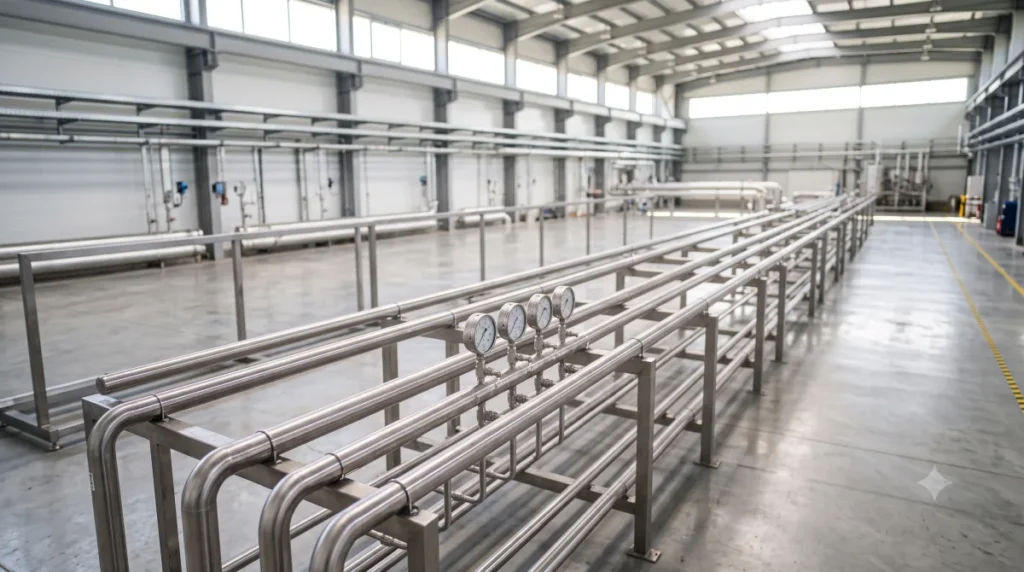
1000 WOG および 2000 WOG は、水、油、ガス用途における低温時の非衝撃使用圧力クラスです。2000 WOG バルブは、1000 WOG バルブよりも高い低温使用圧力定格を有しています。この表示が示す違いは、これだけです。.
その定義の中で、2つの言葉が最も重要な意味を担っている。. 寒い この定格は、周囲温度において適用されるものであり、高温の使用条件下では適用されないことを意味します。. 非衝撃型 この定格は、水撃現象、脈動、またはサージ現象を考慮せず、圧力が一定であることを前提としています。 この数値は通常、ポンド毎平方インチ(psi)で表され、同様の概念はしばしばCWP(冷間作動圧力)と略記される。ねじ込み端部のボールバルブの定格に関する慣行は、MSS SP-110などの業界文書で規定されており、 製造業者標準化協会(MSS).
WOGの刻印は、主にねじ込み式やその他のフランジなしのバルブに見られます。例えば、当社の カムロック式クイックカップリング付き2ピースボールバルブ 定格は1000 WOGです。.
WOGクラスが上であるからといって、必ずしもそれが最良の選択とは限りません。これは、そのバルブがより高い低温圧力定格から始まることを示しているに過ぎません。 したがって、WOGクラス2000のバルブだからといって、蒸気や高温、あるいはサージが発生しやすい配管に適しているわけではありません。周囲温度下での使用圧力が1000 psiを十分に下回っている場合、WOGクラス2000の本体に追加費用を支払っても得られるのは余裕度だけであり、異なる種類の用途への適合性ではありません。.
バルブそのものを探していますか?
ワンピースボールバルブ、1000 WOG — 304/316ステンレス製、PTねじ、1/4″~3″
WOGの耐圧定格からは読み取れないこと
WOGの定格圧力は、ただ一つの質問にのみ答えるものです。それは、「バルブが低温状態で、水、油、またはガスを流した際に、どの程度の定常圧力下で動作できるか」というものです。用途に関するその他の質問については、依然として未解決のままです。以下の表は、購入者がWOGの数値が答えになると最もよく思い込みがちな質問をまとめたものですが、実際にはそうではありません。.
| 運用に関する質問 | WOG番号で回答されたのですか? | 実際には何がそれを支配しているのか |
|---|---|---|
| Steamサービス | いいえ | シール構成、確定したモデル、および実際の蒸気圧力と温度 |
| 体温の上昇 | いいえ | シートおよびシール材の材質、およびその温度におけるバルブの挙動 |
| 圧力と温度の関係 | いいえ | その特定のバルブに対する圧力・温度定格。WOGにはこれがない。 |
| ウォーターハンマーと脈動 | いいえ | WOGは非衝撃状態を前提としている。サージ動作については、システムレベルでの検討が必要である。 |
| 真空運転 | いいえ | 当該モデルおよび構成に関するメーカーからの確認 |
| 化学的適合性 | いいえ | 車体およびシートの材質について、実際の液体、濃度、温度に基づいて確認を行った |
| 要求される漏れ性能 | いいえ | お客様の用途で必要とされる遮断性能が、バルブのシール設計と照らし合わせて確認されました |
簡単に言えば、WOGは蒸気定格でも、設計圧力でも、圧力・温度曲線でもありません。データシート上の単なる1つの項目として捉え、データシートそのものとして扱わないでください。.
蒸気および高温:シール構成を確認してください
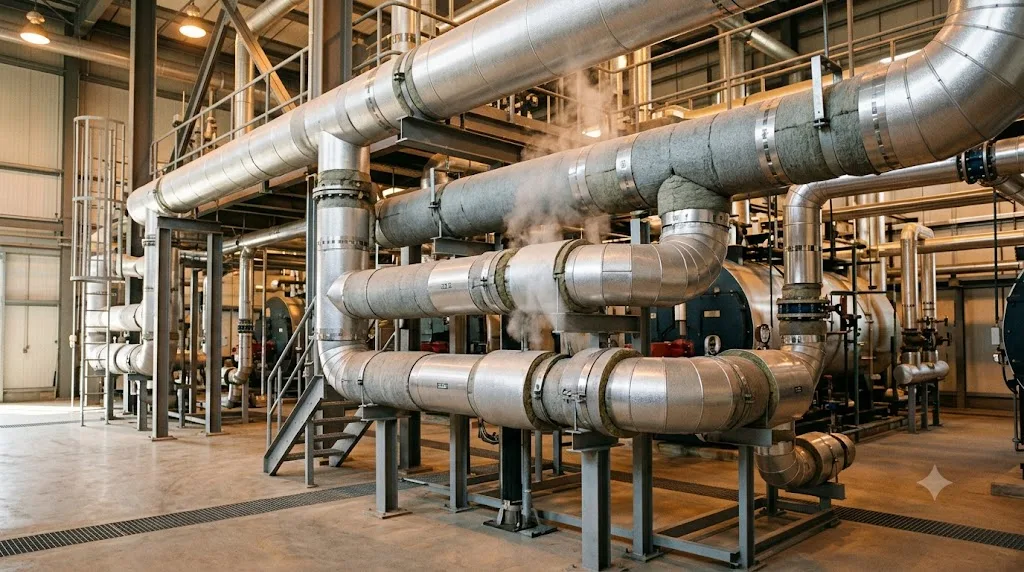
WOGは、バルブが蒸気用として適格であるとは認定していません。蒸気は圧力と高温を併せ持つものであり、一般的に、飽和蒸気の圧力は温度の上昇に伴い急激に上昇します。 飽和蒸気の物性表 示す。低温状態に対して定義された評価基準は、その状況を単に説明しきれていない。.
蒸気用途への適合性を決定するのは、WOG番号ではなくシール構成です。当社の製品ラインナップの中から選定された特定のボールバルブモデルは、指定されたグラファイトシール構成で製造されている場合、最高180°Cまでの蒸気用途に使用可能です。これは、グラファイトシールでの構成が可能であることが確認されているモデルにのみ適用されます。 これらのモデルであっても、ご注文の前に、ご使用の温度における実際の蒸気圧力、正確な型番、および完全な構成を確認してください。当社のガイドでは、 ボールバルブから水漏れが起こる理由 グラファイトシール構造について、より詳しく解説しています。.
避けるべき2つの前提。 第一に、すべての1000 WOGまたは2000 WOGのバルブが蒸気に耐えられると想定してはいけません。ほとんどの標準仕様では耐えられません。第二に、グラファイトシール式のバルブが、いかなる圧力下でも180°Cの蒸気に耐えられると想定してはいけません。温度限界と許容圧力は、具体的なモデルごとに併せて確認する必要があります。.
PTFE製シートとグラファイト製シールを採用した構造は、異なる構成です。PTFE製シートを記載したデータシートは、グラファイト製の蒸気対応能力を意味するものではなく、これら2つを決して互換性があるものとして扱ってはなりません。.
なぜ材料と端部接続が依然として重要なのか
圧力クラスに適合していても、本体の材質、シート材、および端部接続部によって、そのバルブが実際に配管で機能するかどうかが決まります。.
ボディの材質。. WOG番号は腐食について何も示していません。ステンレス鋼のグレード選定は流体によって異なります。316はモリブデンを含有しているため、304よりも塩化物による孔食に対する耐性が優れており、そのため塩化物を含む媒体では316が選ばれる傾向にあります。 しかし、だからといって316がすべての塩化物や化学薬品用途に普遍的に適しているわけではありません。濃度や温度が依然として決定的な要因であり、その組み合わせについてはケースバイケースで確認する必要があります。.
シートおよびシール材。. 前述の通り、シートとシールの組み合わせによって、耐熱温度と蒸気応答性が決まります。WOGのマークが同じ2つのバルブであっても、耐熱温度の限界値は大きく異なる場合があります。.
接続を終了します。. WOGマークは、ねじ込み式およびこれに類するフランジなしのバルブに付与されます。一方、フランジ付きボールバルブは、JISフランジ規格および以下の規格などで定義されている圧力・温度定格の基準に従い、JIS 10K/20KやANSI Class 150/300などのフランジクラスによって定格が指定されます。 ASME B16.34. ネジ式の1000 WOGバルブと フランジ付きボールバルブ, 、これは2つの異なる評価システムを比較しているものであり、その数値は直接置き換えることはできません。.
インストール。. ねじの噛み合わせ、ガスケットおよびフランジの組み付け、ならびに溶接の品質は、いずれもバルブの定格範囲外にあるものの、実際に接合部が定格圧力を保持できるかどうかに直接影響を及ぼします。.
WOG認定バルブの注文を依頼する前に送付すべきもの

正確な見積もりを最も早く入手するには、単に圧力クラスだけでなく、使用条件についても詳しく説明することが重要です。お問い合わせの際には以下の情報を併せてお送りください。そうすれば、サプライヤーが、1000 WOGバルブ、2000 WOGバルブ、あるいはそれとは全く異なる仕様のバルブが適切かどうかを確認することができます。.
| 何を送るか | その重要性 |
|---|---|
| 流体と濃度 | 車体とシートの材質の適合性を確認する |
| 動作温度および最高温度 | WOGは耐寒性能の指標であり、温度によってシール構成が決まります。 |
| 使用圧力および最大圧力 | その圧力クラスが実際に最悪のケースをカバーしているかどうかを確認します |
| 蒸気、ウォーターハンマー、脈動、あるいは真空のいずれが関係しているか | これらの業務はWOGの定義の範囲外であるため、別途確認が必要です。 |
| バルブのサイズと端部接続 | 評価システム(WOG 対 フランジクラス)および利用可能なモデルを決定する |
| 必要な遮断能力 | リーク性能はWOGマークの対象外です |
| 必要なシール構成 | PTFE製とグラファイト製の製品では性能が異なるため、指定する必要があります |
| プロジェクト仕様書 | サプライヤーが、貴社がリストに挙げていないコンプライアンス項目を確認できるようにします |
これらのうち、まだ不明な点がある場合は、お問い合わせの際にその旨をお知らせください。疑問点を明確に伝えておく方が、導入後に誤った前提が判明するよりもはるかにコストを抑えられます。運用条件については、以下までお送りください。 sales@ballvalves.tw そして、実際にその用途に適したバルブとシール構成を確認いたします。.
よくある質問
2000 WOGは、1000 WOGよりも常に優れているのでしょうか?
No. 2000 WOGとは、水、油、ガスに対する低温・非衝撃時の定格作動圧力がより高いことを意味するだけです。この仕様は、蒸気、高温、サージ状態、あるいは腐食性の媒体に対するバルブの適合性を高めるものではありません。 周囲温度下で配管の圧力が 1000 psi を大幅に下回る場合は、不適切な材質やシール構成の 2000 WOG バルブよりも、適切な材質とシール構成を備えた 1000 WOG バルブの方が適しています。完全な動作条件に基づいて選択し、その圧力クラスが最大圧力をカバーしていることを確認してください。.
「1000 WOG」とは、そのバルブが蒸気用であることを意味するのでしょうか?
いいえ。WOGは、水、油、ガスに対する低温・非衝撃定格であり、蒸気は低温ではなく、その定義の対象にもなりません。蒸気への適合性は、シール構成および具体的なモデルによって異なります。 当社の製品ラインナップにおいて、指定されたグラファイトシール構成での使用が可能であることが確認された特定のモデルのみ、最高180°Cまでの蒸気用途に使用可能です。なお、ご注文前に、実際の蒸気圧力、モデル、および構成について確認が必要です。.
グラファイトシール式のバルブは、どのような圧力下でも180°Cの蒸気に耐えることができますか?
180°Cは、確認済みのグラファイトシール構成における指定モデルの最大蒸気使用温度であり、あらゆる圧力条件下での包括的な承認を意味するものではありません。お客様の使用温度における許容蒸気圧力、正確なモデル、および完全な構成については、具体的な用途に合わせて個別に確認する必要があります。 温度制限だけで問題が解決すると決めつけず、お問い合わせの際は必ず実際の蒸気圧力と温度を明記してください。.
WOGでは、316が私の扱う化学物質に適しているかどうかを確認できますか?
いいえ。WOG番号は耐圧等級を示すものであり、化学的適合性に関する情報は含まれていません。316ステンレス鋼は、モリブデンを含有しているため、304よりも塩化物による孔食に対して優れた耐性を示しますが、だからといって、あらゆる化学物質、塩化物濃度、あるいは温度条件に適しているわけではありません。 適合性は、実際の流体、その濃度、および使用温度に基づいて確認する必要があります。材質の選定を推測ではなく確実に確認できるよう、お問い合わせの際にはこれらの詳細情報をお送りください。.
WOGと圧力・温度定格の違いは何ですか?
WOGは、低温かつ衝撃のない状態でのみ適用される単一の数値です。ASME B16.34で定義されているクラスに基づく定格などの圧力・温度定格は、一定の温度範囲における許容圧力を規定しているため、実際の運転温度における限界値をその定格から読み取ることができます。 WOGにはそのような曲線は示されていません。高温環境で使用する場合は、WOGの数値ではなく、その温度におけるバルブの確認済みの性能が必要です。.