投稿者名:ボールバルブ

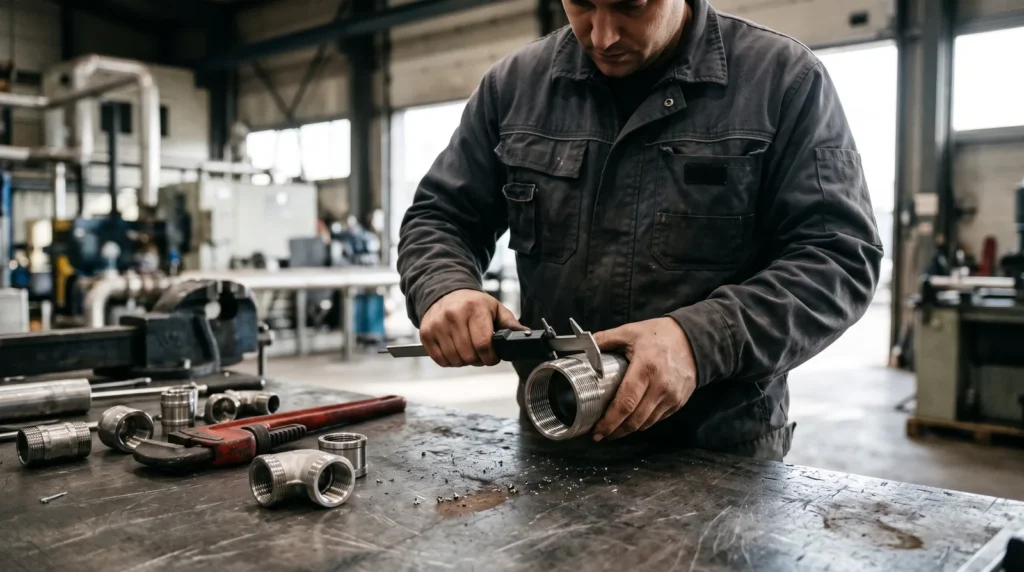
Engineer measuring the outside diameter of a threaded stainless steel pipe end with digital calipers

Pipe Thread Chart: NPT, BSPT and BSPP Thread Dimensions, 1/8″ to 6″

Short answer: NPT, BSPT and BSPP share nominal sizes but do not seal against each other. NPT (ASME B1.20.1) is a 60° taper thread. BSPT (R and Rc in ISO 7-1 and JIS B 0203; PT in Taiwan and Japan) is a 55° taper thread. BSPP (G; PF in JIS) is a 55° parallel thread that seals on a washer, not on the thread. The chart below gives pitch, thread height, engagement lengths and diameters in millimeters, 1/8″ to 6″. This pipe thread chart covers the three threads found on stainless steel valves and threaded fittings, NPT, BSPT and BSPP, in every nominal size from 1/8″ to 6″. All values

Pipe Thread Chart: NPT, BSPT and BSPP Thread Dimensions, 1/8″ to 6″ 続きを読む »
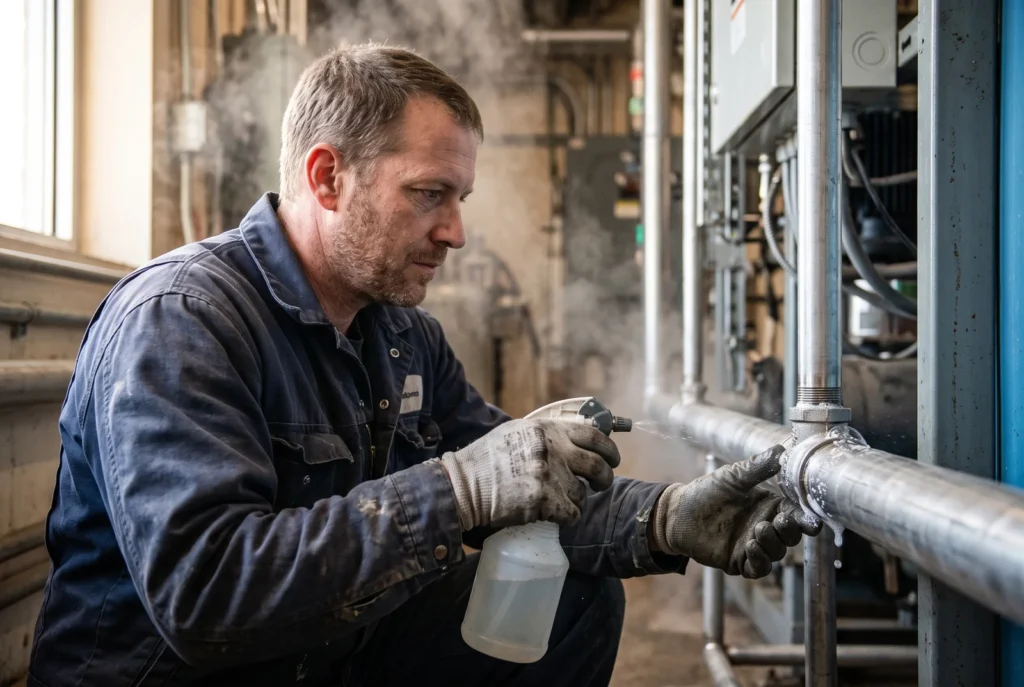
Maintenance technician spraying leak-detection solution on a threaded stainless steel pipe joint, with bubbles forming at the joint

How to Choose Industrial Ball Valves with Fewer Leak Paths

Short answer: Specify a one-piece or a seal-welded two-piece body, which has no body joint open to atmosphere, and have the supplier confirm that construction for every size on the order. Then write the three leak paths every ball valve keeps on the request for quotation (RFQ): stem seal material and peak temperature, with a blowout-proof stem; the thread standard (PT, NPT or PF) or flange class; and seat material, with the pressure test method. Every industrial ball valve can leak in four places: around the stem, at the two end connections, at any joint in the body, and across the seats when the valve is closed. No design removes

How to Choose Industrial Ball Valves with Fewer Leak Paths 続きを読む »

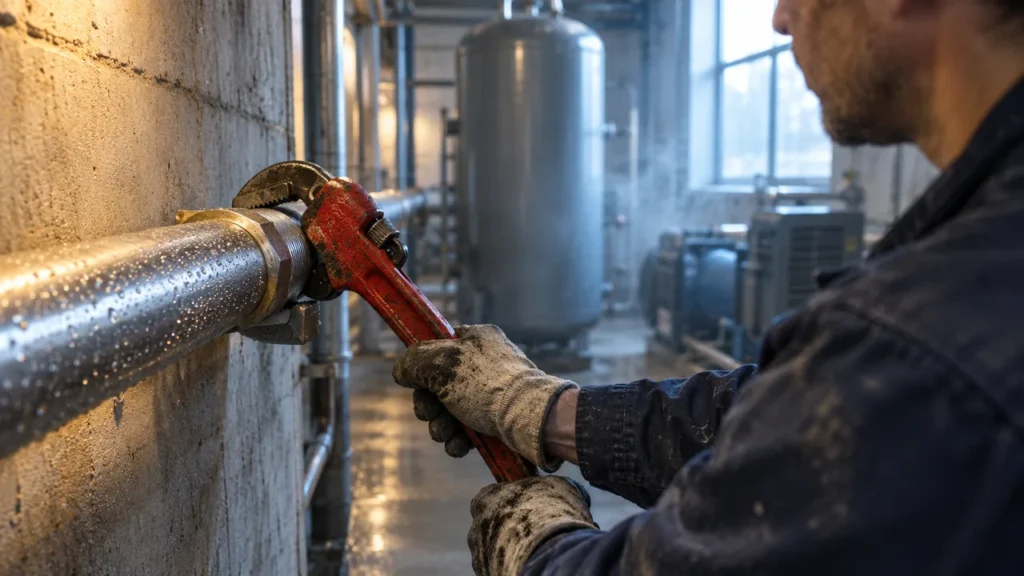
Technician tightening a threaded joint on a compressed air line with a pipe wrench

Choosing a Compressed Air Ball Valve for Air Lines and Piping

On most compressed air lines, a brass ball valve and a stainless steel ball valve will both hold the pressure. The choice comes down to what else travels through the pipe. On dry, clean, treated air, a brass compressed air ball valve is the lower-cost choice. Where condensate collects, compressor oil carries over, or the outside of the valve sees washdown, salt air or chemicals, stainless steel is the safer pick, and 316 is the grade to choose when chlorides are involved. This guide is for maintenance teams, plant engineers and buyers who specify shut-off valves for shop and plant air. We are YZNG TRONG, a stainless steel ball valve

Choosing a Compressed Air Ball Valve for Air Lines and Piping 続きを読む »

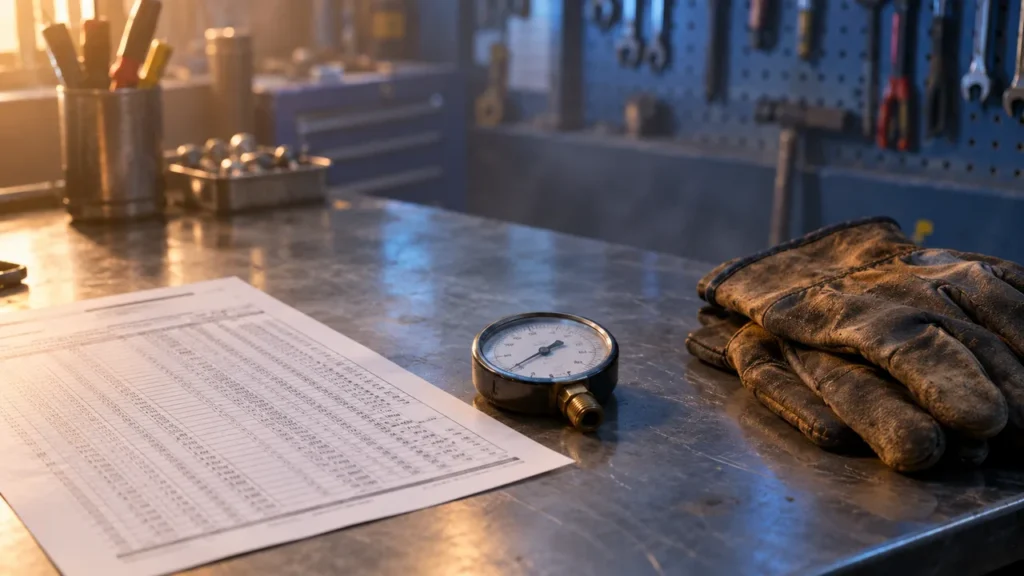
Printed steam table, a pressure gauge and worn leather work gloves on a steel workbench

Can You Use a Ball Valve for Steam? Seats, Packing and Pressure

Yes, you can use a ball valve for steam, as long as the valve carries a steam rating that covers your line. That rating depends on three things: the seat material, the stem packing, and the pressure and temperature the manufacturer allows together. A WOG rating does not answer the question. It is a cold rating for water, oil and gas, not a steam rating. This guide is for engineers, maintenance teams and buyers who need to put a quarter-turn valve on a steam line and want to check it properly. We are YZNG TRONG, a stainless steel ball valve manufacturer in Taiwan. For low-pressure steam we make a graphite-seated

Can You Use a Ball Valve for Steam? Seats, Packing and Pressure 続きを読む »

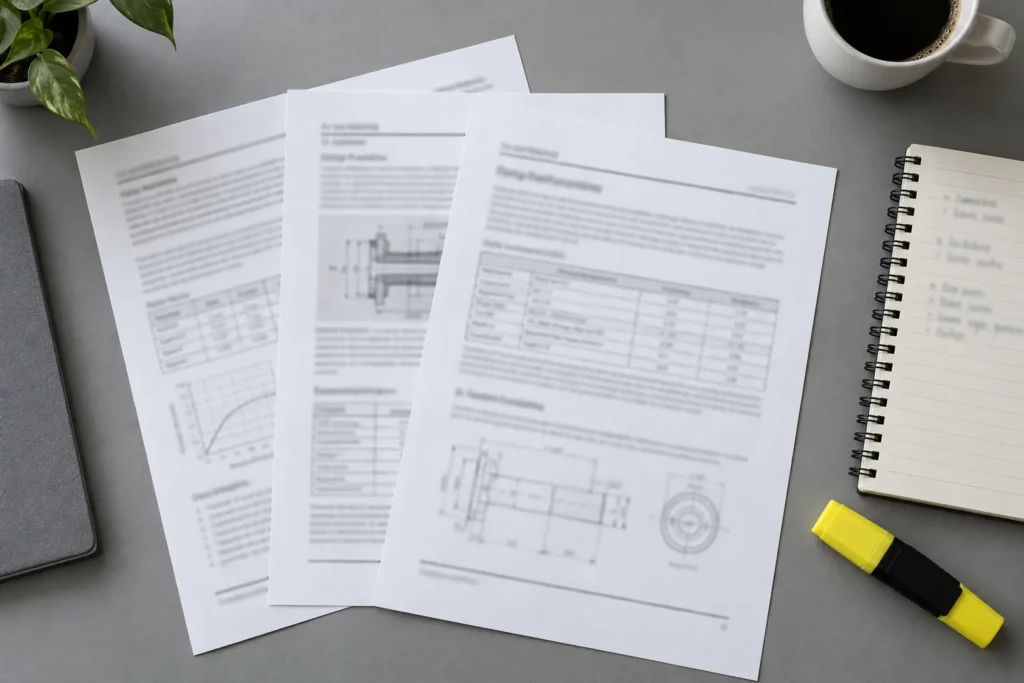
Three printed technical documents with tables and drawings fanned out on a grey desk with a notebook and a highlighter

CF8M Material: How to Specify a CF8M Ball Valve on the Drawing, the RFQ and the Certificate

CF8M material is the ASTM casting grade for 316-type stainless steel: 18 to 21 percent chromium, 9 to 12 percent nickel, 2 to 3 percent molybdenum, with carbon held to 0.08 percent. To specify a CF8M ball valve, write that casting grade against the cast parts, then add the five things the grade does not cover: the stem, the pressure rating, the seat material with its temperature limit, the end connection with its thread standard, and the certificate you want delivered with the valves. The rest of this guide explains each line, so that the quotation, the material certificate and the marking on the valve body all agree with your

CF8M Material: How to Specify a CF8M Ball Valve on the Drawing, the RFQ and the Certificate 続きを読む »

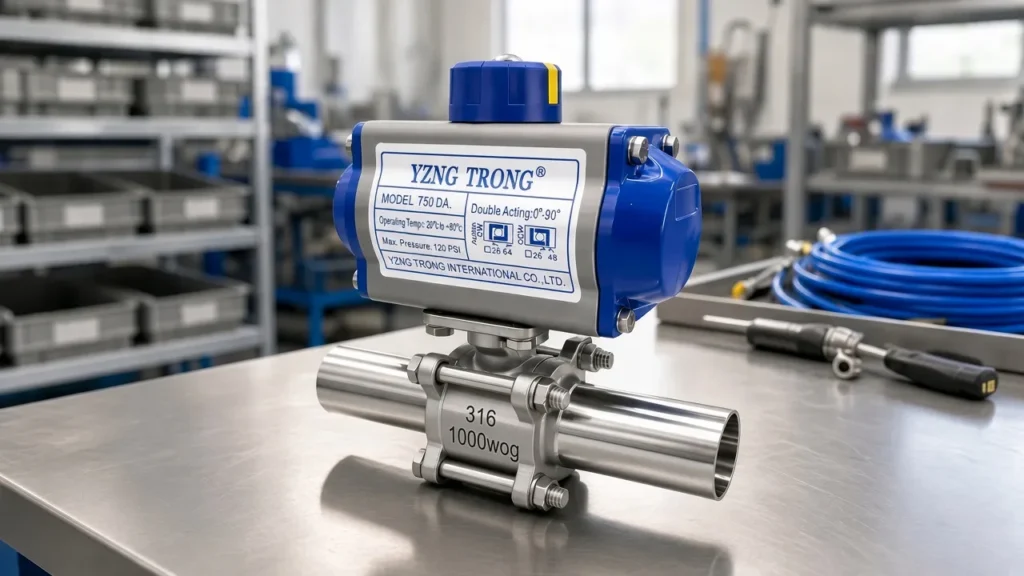
Three-piece stainless steel ball valve with extended butt weld ends and a YZNG TRONG double-acting pneumatic actuator

Valve Actuator Manufacturer: What One Factory Building Both Changes for You

A valve actuator manufacturer builds the actuator that drives a valve. When the same company also casts the ball valve, the interface between them, the ISO 5211 mounting pad, the stem coupling, the wiring or the air fitting, is matched before either part leaves the building, rather than reconciled afterward by whoever receives two separate boxes. This article is for buyers, OEM integrators and engineers deciding how to source an automated ball valve: buy the valve and the actuator from two specialists and match them yourself, or buy both from a company that makes them together. We build both, at YZNG TRONG, a stainless steel ball valve manufacturer and valve

Valve Actuator Manufacturer: What One Factory Building Both Changes for You 続きを読む »

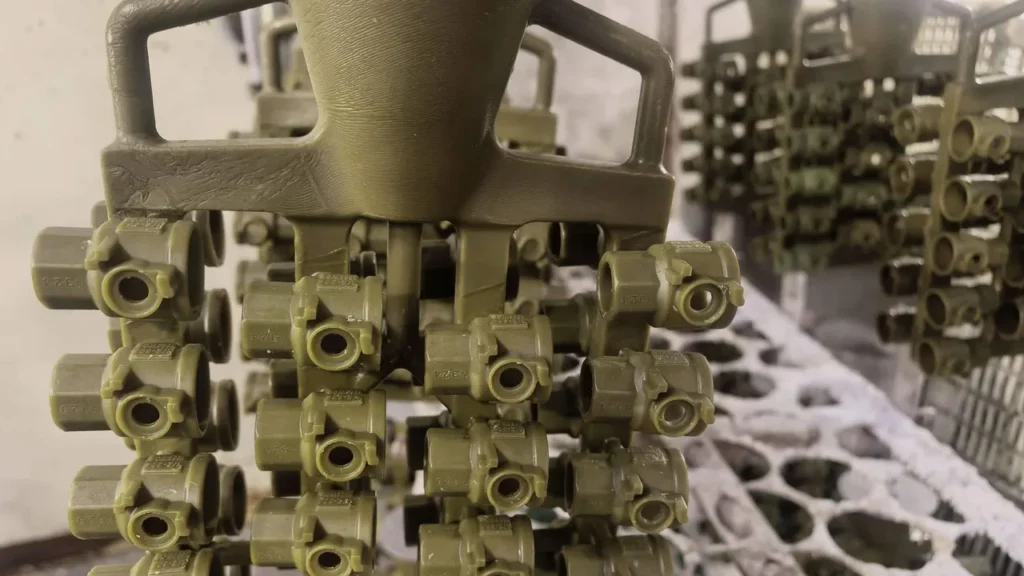
Wax patterns of stainless steel ball valve bodies mounted on a sprue tree for investment castingWax patterns of stainless steel ball valve bodies mounted on a sprue tree for investment casting

Ball Valve Manufacturing: From Investment Casting to 100% Leak Testing, How We Make Stainless Steel Ball Valves in Taiwan

Ball valve manufacturing comes down to four things a buyer can actually check: what the body is cast from, how it is machined, how the body joint is made, and whether every finished valve is tested before it ships. This article walks through each of them at YZNG TRONG, a stainless steel ball valve manufacturer in Taiwan with its own factory since 1999. It is written for buyers who want to know what they are paying for. Most articles on this topic describe a generic process. We can only speak for our own line, so that is what we do here. Casting vs forging: why our ball valve bodies are

Ball Valve Manufacturing: From Investment Casting to 100% Leak Testing, How We Make Stainless Steel Ball Valves in Taiwan 続きを読む »

YZNG TRONG SC swing check valve and SC-1 spring check valve with female threaded ends on a workshop bench

Swing Check Valve vs Spring Check Valve: Flow, Orientation, Shutdown, Materials and Fit

A swing check valve is the better default for a horizontal line with steady flow and a tight pressure-drop budget. A spring check valve is the better default for a pump that stops often, for a vertical run and for a tight space, because its spring closes it before flow reverses. Which one fits your line comes down to five factors: flow range, orientation, shutdown, fluid and connections. Each factor below comes with the numbers behind it: why a half-open disc wears itself out, how much surge a slamming valve can create, how to turn a Cv value (a valve’s flow coefficient) into pressure drop, and why a PT thread

Swing Check Valve vs Spring Check Valve: Flow, Orientation, Shutdown, Materials and Fit 続きを読む »

Indoor industrial plant room with stainless steel piping and an electrical control panel

Gear Operator for Ball Valves vs Electric Actuator: How to Choose

A gear operator turns a ball valve with muscle, through a worm gear and a handwheel. An electric actuator turns it with a motor. Fit a gear operator on large valves that rarely move. Fit an electric actuator when the valve cycles often, sits somewhere awkward, or must close itself when the power fails. What Is a Gear Operator on a Ball Valve? A gear operator — also called a gearbox operator or worm gear operator — is a manual reduction gearbox bolted onto the valve stem. You turn a handwheel; a worm gear multiplies your force and rotates the ball a quarter turn over several turns of the wheel.

Gear Operator for Ball Valves vs Electric Actuator: How to Choose 続きを読む »

データセンター内の水冷式サーバーラックに給液する冷却液マニホールドに取り付けられたステンレス製のボールバルブ

データセンターの液体冷却およびCDUシステム向けステンレス製ボールバルブ

水冷式データセンターは、サーバーの下層部において、すべて配管プロジェクトであると言えます。冷却液は、分配、隔離、バランス調整、排出、およびメンテナンスが必要であり、それを可能にするのがバルブです。 本ガイドでは、データセンターの液体冷却ループにおけるボールバルブの位置付け、冷却剤用途においてステンレス鋼が本体の標準材料とされる理由、そして施設側の給水側から冷却剤分配ユニット(CDU)に至るまで、システムの各部分に適切なバルブの種類、シート、および端部接続をどのように適合させるかについて解説します。 本ガイドはサプライヤーの視点から執筆されています。当社は台湾に拠点を置くメーカーであり、1999年以来、ステンレス製ボールバルブをはじめとする各種バルブを製造しています。

データセンターの液体冷却およびCDUシステム向けステンレス製ボールバルブ 続きを読む »

上部へスクロール