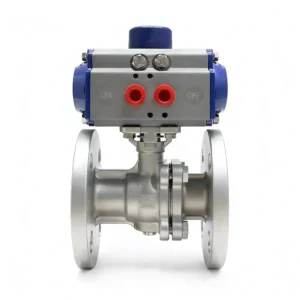
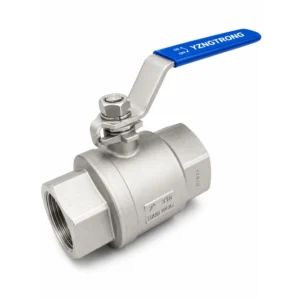
The Importance of Industrial Valves in Manufacturing and Automation
In the industrial sector, valves serve as essential control devices for managing the flow of liquids, gases, and steam across a wide variety of manufacturing processes. From power plants and mechanical workshops to chemical processing and industrial automation systems, industrial valves provide critical flow regulation, system protection, and operational efficiency.
Whether it’s an industrial gate valve used for pipeline isolation or a pneumatic valve integrated into a robotic arm, each valve contributes to increased productivity, reduced downtime, and enhanced equipment safety in high-demand industrial environments.
Environmental Requirements for Heavy-Duty Industrial Valves
Valves deployed in industrial settings must endure demanding conditions. Key environmental requirements include:
Pressure and temperature resistance: Operate effectively under high pressure and thermal stress.
Corrosion and wear resistance: Essential in environments with abrasive materials, oils, or chemicals.
Material strength: Stainless steel, bronze, or alloy construction to withstand continuous industrial use.
Sealing integrity: Prevent leakage and fluid contamination.
Dust and moisture protection: Especially in valves for factory automation or outdoor installations.
Many heavy-duty valves are IP-rated and feature reinforced seals and housings for long-term operation in challenging conditions.
Operational Requirements and Workshop Standards for Industrial Valve Systems
Industrial valve systems must comply with international engineering standards to ensure reliability and maintainability. Typical operational standards include:
Precision control: Especially for process valves in production lines or material handling.
Automation compatibility: Valves must integrate with PLCs, SCADA, and industrial IoT platforms.
Fast response time: Pneumatic and hydraulic valves must actuate quickly under command.
Durability under cycle repetition: High-frequency operations must not cause early wear.
Minimal maintenance design: Support efficient preventive maintenance protocols.
All industrial control valves should be tested for mechanical integrity and response performance before deployment.
Top 10 Applications of Valves in the Industrial Sector
Automated Assembly Lines
Power Plant Steam Systems
Cooling Water Distribution
Pneumatic Tooling and Actuation
Material Handling and Conveyance Systems
Hydraulic Press Control
Boiler Feedwater Regulation
Industrial Gas Supply Lines
Wastewater Discharge and Treatment
Centralized Lubrication Systems
Materials & Certifications
Quality management: ISO 9001 certified quality management system
Conformity: CE marking to applicable European standards
Materials: SS304 and SS316 stainless steel, selected to match the media
Corrosion control: SS316 where chloride and pitting resistance matter most
If you’re interested in any of our products or services, simply fill out the form below.
Our team will get in touch with you as soon as possible to provide the information you need.

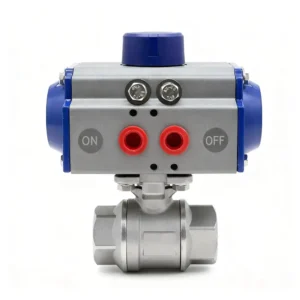 Pneumatic Ball Valves
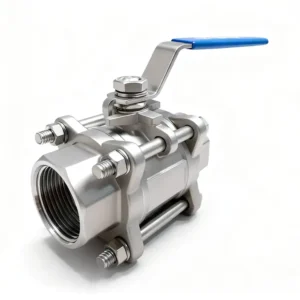 3-Piece Ball Valves